 FairSole
Winter boots buying guide: warmth, waterproofing and grip
Nesim Yılmaz · 09.11.2026
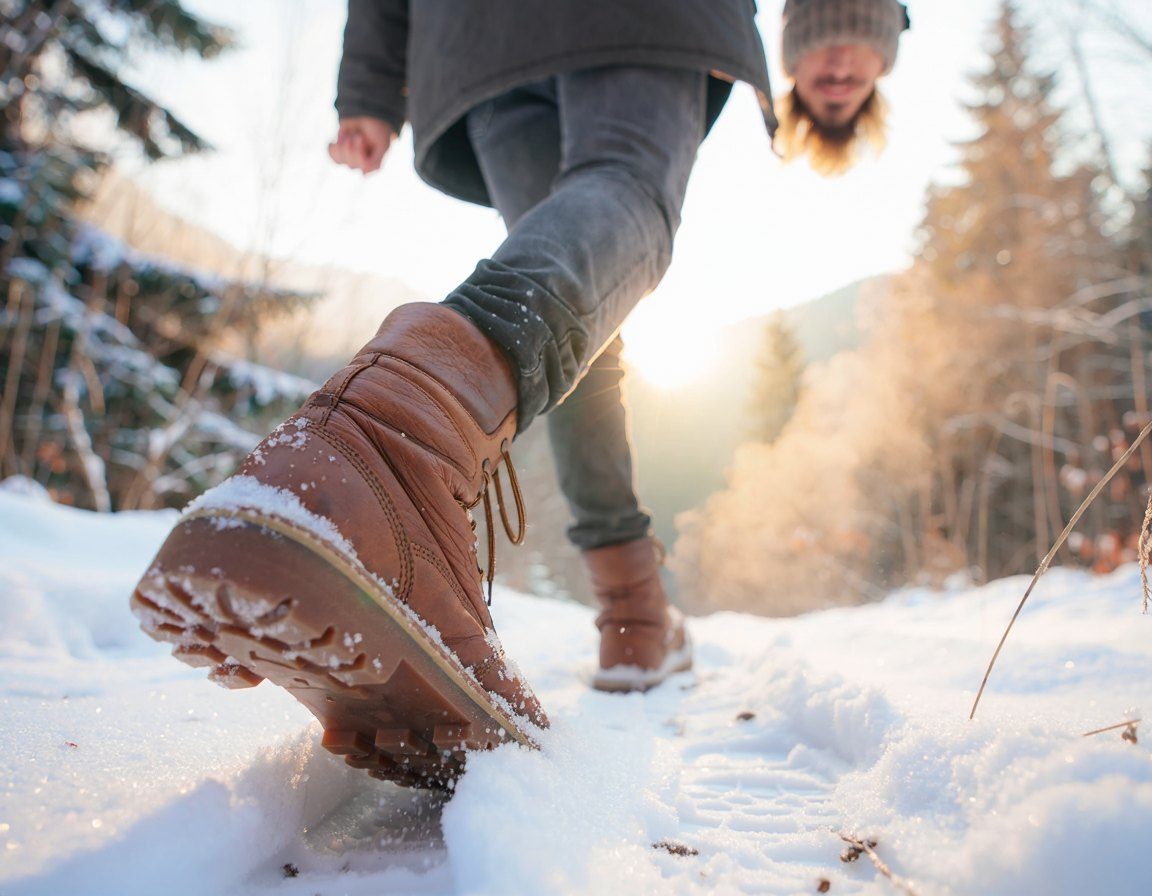
A UK winter is more often wet and slushy than deep-frozen. That makes waterproofing and grip more important than extreme warmth for most people.
Waterproofing first
- A membrane such as Gore-Tex keeps water out while letting sweat escape.
- "Water-resistant" leather without a membrane soaks through in a long walk in the rain.
- Look for a gusseted tongue stitched all the way up so water can't get in over the top.
Warmth
- Shearling and wool are very warm but dislike getting wet.
- Synthetic insulation (Thinsulate, PrimaLoft) stays warm when damp.
- Temperature ratings like "-20°C" assume you're moving. If you stand still a lot, knock 10 degrees off.
Grip
Rubber compound matters more than tread depth on ice. Outsoles like Vibram Arctic Grip hold on icy pavements; deep, widely spaced lugs shed snow and mud instead of clogging.
Sizing
Try boots on with thick socks and leave about 1 cm in front of your toes. Boots that are too tight feel colder because there's no warm air layer and circulation suffers.
Which boot for which winter?
| Use | Recommendation | Why |
|---|---|---|
| Town, rain and slush | waterproof, lightly insulated ankle boot | warm enough without overheating |
| Snowy areas (Scotland, northern England, ski trips) | well-insulated snow boot with a tall shaft | deep snow, long cold spells |
| Standing around (football, markets, school run) | boot with a thick felt or fleece liner | stays warm when you're not moving |
| Winter hillwalking | waterproof walking boot + wool socks, gaiters if needed | lighter, better grip |
Care: making boots last several winters
- Wipe off road salt and mud with lukewarm water after each wear. Salt dries out leather and makes it crack.
- Never dry boots on a radiator or with a hairdryer – heat weakens glue and stiffens leather. Stuff them with newspaper instead.
- Dry removable liners separately.
- Re-proof a few times a season. The membrane protects from inside; proofing stops the outer from soaking up water.
- Store them cool, dry and stuffed over the summer.
Socks matter as much as boots
Cotton socks hold sweat and then chill your feet. Merino or wool-blend socks keep feet dry and warm. Very thick socks can squeeze your foot inside the boot – always try boots on with the socks you'll wear.
Women's and men's models
Many winter boots come in separate women's and men's versions, and the difference is usually more than colour: women's models often have a narrower last, a narrower heel and sometimes a lower shaft. Women with wide feet can try a men's model and men with narrow feet a women's one – just convert the size using foot length in centimetres. Unisex boots usually follow the men's last.
Common mistakes
- Mistaking fashion boots for snow boots: suede without a membrane soaks through in slush.
- Buying too warm: heavily insulated boots make you sweat in town, and sweat makes you cold.
- Waiting for the first snow: that's when prices peak and popular sizes sell out.
When to buy
The deepest reductions come in the January sales, but popular sizes sell out. To be sure of your size, buy around Black Friday.
Frequently asked questions
What's the difference between winter boots and snow boots?
Snow boots usually have a taller shaft, thicker insulation and are fully waterproof – built for deep snow and long cold. "Winter boots" is the broader category and includes lighter town styles.
Do I need Gore-Tex?
Not necessarily, but for slush and rain a waterproof membrane makes a big difference. Many brands' own membranes work well too. Leather boots without a membrane need regular proofing.
Should I buy winter boots a size up?
Usually not. Try them with thick winter socks; you want about 1 cm of room in front of your toes. Some models, including a few classic snow boots, already run large.
How reliable are ratings like "−30 °C"?
They're useful for comparison, but not a guarantee. There's no standard test, and it's usually unclear whether they were measured on the move or standing still.
Which soles grip best on ice?
Soft rubber compounds that don't harden in the cold, and dedicated ice soles such as Vibram Arctic Grip. For very icy paths, slip-on ice grips help too.
When are winter boots cheapest?
In the January sales – but popular sizes sell out. If you want to be sure of your size, buy around Black Friday.
Matching models on Amazon
- SorelSorel CaribouFelt-lined classic for properly cold days.
- SalomonSalomon winter boots women
- MerrellMerrell winter boots men
- Gore-TexGore-Tex winter boots
As an Amazon Associate we earn from qualifying purchases. The price you pay is the same.
Buying guides
 How to spot a fake shoe discountWhat UK pricing rules say and five quick checks before you buy.
 Running shoes buying guide: cushioning, drop and fit explainedCushioning, drop, stability and road vs trail in one page.
 Hiking boots buying guide: cut, stiffness and waterproofingLow vs mid vs high, stiffness ratings, membranes and breaking in.
 Shoe size conversion: UK, EU and US sizes comparedMeasure your feet and convert between UK, EU and US sizes.
- Shoe sale calendar: when shoes are cheapest in the UKThe best months for winter boots, trainers, sandals and hiking boots.
 Gore-Tex and waterproof membranes explained: are they worth it?Membranes, breathability and care – when a waterproof shoe is worth paying for.
- Trail running shoes vs road running shoes: what's the difference?Grip, protection and cushioning – which shoe suits your surface.
 How to clean trainers and make them last longerLeather, suede, mesh and white soles – step-by-step care.
 Sandals buying guide: footbeds, straps and soles for summerWalking sandal, slider or flip-flop – what suits your summer.
- Shoes for wide feet: understanding widths and finding the right fitMeasure your foot width, understand fittings and avoid shoes that pinch.
- Hoka or Asics? Clifton 10 vs Gel-Nimbus 27 comparedClifton 10 vs Gel-Nimbus 27 – cushioning, fit and who should buy which.
- Merrell Moab 3 or Salomon X Ultra 4? Walking boot comparisonRoomy and comfy vs light and precise – which walking boot suits you.
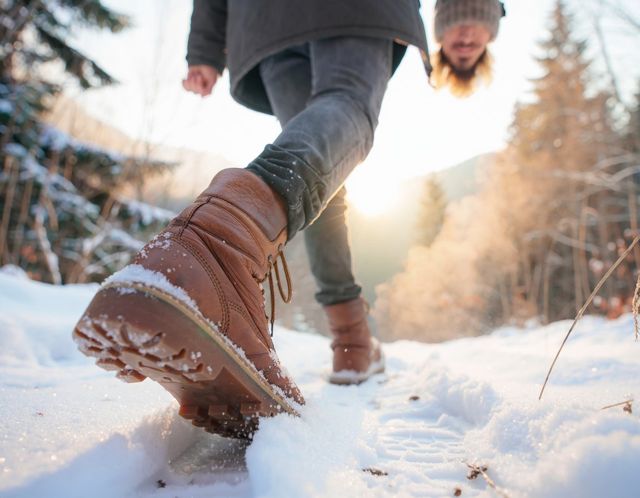 Sorel or Columbia? Caribou vs Bugaboot snow boots comparedHeavy felt-lined classic vs lighter, sportier snow boot.
 Black Friday 2026: are shoe deals really cheaper?What the research shows, how to spot real Black Friday discounts and which shoes are worth it.
- The 5 best winter boots for 2026: proven models comparedFive proven winter boots – who each one suits, strengths, weaknesses and sizing tips.
- The 5 best everyday running shoes: proven models comparedFive proven daily trainers – cushioning, feel and who each one suits.
 Christmas gift guide 2026: the best warm slippers (and winter boots)Warm slippers to give this Christmas – six proven models and how to get the size right.
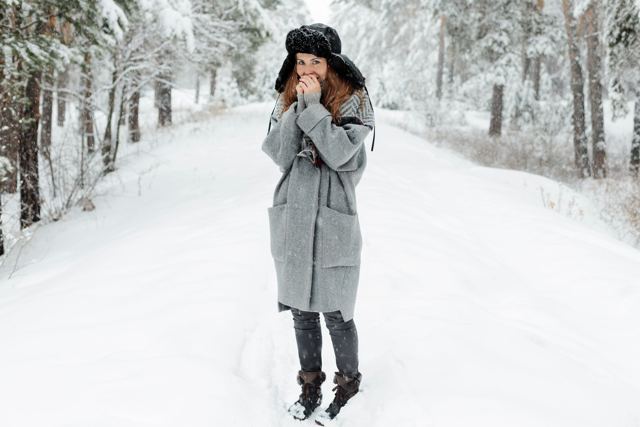 Best women's winter boots: warm, waterproof and grippyFive proven women's winter boots – warm, waterproof and which winter each one suits.
 Best women's walking boots: 5 proven pairs for trails and hillsFive proven women's walking boots – from comfy all-rounders to sturdy hill boots.